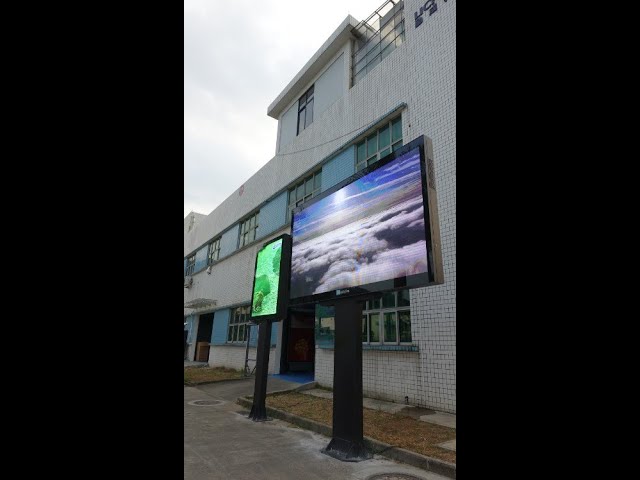
Advertise on LED Screens: The Ultimate Guide to Captivating Your Audience
Advertising on LED screens is a modern and effective way to reach target audiences in various settings. LED screens, with their high brightness, wide viewing angles, and customizable content, offer an impactful platform for businesses to showcase their products or services.
LED screen advertising provides numerous benefits, including increased brand visibility, enhanced customer engagement, and measurable results. The ability to display dynamic and attention-grabbing content makes LED screens an excellent choice for campaigns that aim to capture the attention of passersby or customers in public spaces, retail stores, or transportation hubs.
The use of LED screens for advertising has grown significantly in recent years due to advancements in technology and the increasing demand for digital signage solutions. Businesses can leverage the power of LED screens to create immersive and interactive experiences that resonate with their target audiences, leading to increased brand recall and conversions.
Advertising on LED Screens
Effective advertising on LED screens requires careful consideration of various key aspects. Here are 10 essential factors to explore:
- Placement: Strategic positioning for maximum visibility and impact.
- Content: Dynamic, attention-grabbing visuals and messaging.
- Brightness: High brightness for visibility in various lighting conditions.
- Resolution: High resolution for clear and detailed images.
- Size: Appropriate size for the intended audience and location.
- Cost-effectiveness: Balancing cost with reach and effectiveness.
- Technology: Advanced LED technology for optimal performance and reliability.
- Measurement: Tracking metrics to measure campaign success.
- Creativity: Innovative and engaging content to stand out from competitors.
- Regulations: Compliance with local regulations and guidelines.
These key aspects are interconnected and play a crucial role in the success of LED screen advertising campaigns. By carefully considering each factor, businesses can create impactful and memorable advertising experiences that resonate with their target audiences.
Placement
In the realm of advertising on LED screens, placement plays a pivotal role in determining the effectiveness of a campaign. Strategic positioning ensures that the screen is located in a highly visible area, maximizing the chances of capturing the attention of the target audience. This involves careful consideration of factors such as pedestrian traffic, vehicle flow, and the surrounding environment.
- High-traffic areas: Placing LED screens in busy locations with a high volume of foot traffic, such as shopping malls, transportation hubs, and city centers, increases the likelihood of reaching a wider audience.
- Targeted locations: Identifying specific locations frequented by the target audience is crucial. For instance, placing LED screens outside fitness centers to reach health-conscious individuals or near entertainment venues to engage with concert-goers.
- Visual prominence: Ensuring the LED screen is positioned at an optimal height and angle ensures maximum visibility. This involves avoiding obstructions and considering the line of sight of the target audience.
- Environmental factors: Taking into account factors such as sunlight, weather conditions, and ambient lighting is essential to ensure the LED screen's content is clearly visible in all conditions.
By carefully considering these facets of placement, businesses can strategically position their LED screens to maximize visibility and impact, effectively capturing the attention of their target audience and driving desired results.
Content
In the realm of advertising on LED screens, content reigns supreme. Dynamic, attention-grabbing visuals and messaging are the lifeblood of effective LED screen advertising campaigns, captivating audiences and driving desired actions. The fusion of vibrant colors, captivating imagery, and concise yet impactful messaging creates a powerful force that resonates with viewers.
The effectiveness of LED screen advertising stems from its ability to deliver visually stunning content that commands attention in busy public spaces. The large and high-resolution screens provide an ideal canvas for displaying eye-catching visuals that engage passersby and create a lasting impression. Furthermore, the dynamic nature of LED screens allows for real-time updates and the ability to showcase multiple messages in a captivating sequence.
Real-life examples abound, demonstrating the practical significance of compelling content in LED screen advertising. In the bustling streets of New York City, Times Square is renowned for its dazzling LED screens showcasing vibrant advertisements that captivate the attention of millions of visitors. Similarly, in London's Piccadilly Circus, the iconic LED screens have become synonymous with innovative and attention-grabbing campaigns that leave a lasting impression on viewers.
Understanding the connection between dynamic content and the effectiveness of advertising on LED screens is crucial for businesses seeking to maximize their impact. By investing in high-quality visuals, crafting concise and compelling messaging, and leveraging the dynamic capabilities of LED screens, businesses can create advertising campaigns that resonate with audiences, drive engagement, and achieve their desired marketing objectives.
Brightness
Brightness is a crucial factor in the effectiveness of LED screen advertising, as it ensures visibility and readability in diverse lighting conditions. High-brightness LED screens can effectively capture attention and convey messages even in direct sunlight or low-light environments.
- Sunlight Readability: LED screens with high brightness can overcome the challenge of sunlight, ensuring that content remains visible and impactful even in outdoor settings. Shopping malls and other public spaces with ample natural light benefit from this feature, allowing businesses to reach their target audience effectively.
- Nighttime Visibility: In low-light conditions, such as during evening hours or in dimly lit indoor environments, high-brightness LED screens maintain their visibility, making them ideal for advertising in nighttime settings. Restaurants, bars, and entertainment venues can leverage this capability to attract customers and promote their offerings.
- Adaptable to Changing Conditions: LED screens with adjustable brightness levels can adapt to varying lighting conditions throughout the day, ensuring optimal visibility at all times. This adaptability allows businesses to maintain consistent messaging and impact regardless of external factors.
- Enhanced Image Quality: High brightness enhances the overall image quality displayed on LED screens, resulting in sharp, vibrant, and detailed content. This improved visual experience captures attention and makes a lasting impression on viewers.
The combination of high brightness and advanced LED technology enables businesses to deliver impactful advertising campaigns that are visible and engaging in diverse lighting conditions. By harnessing the power of brightness, LED screen advertising becomes a versatile and effective tool for reaching target audiences and achieving marketing objectives.
Resolution
In the realm of advertising on LED screens, resolution plays a pivotal role in delivering impactful and visually engaging content. High-resolution LED screens showcase images and videos with exceptional clarity and detail, capturing attention and conveying messages effectively.
- Visual Clarity: High-resolution LED screens ensure that images and text are displayed with sharp edges, vibrant colors, and intricate details. This clarity enhances the overall visual experience, making the content easily readable and visually appealing, even from a distance.
- Enhanced Detail: The high pixel density of LED screens allows for the display of fine details and subtle nuances. This level of detail is particularly important for product demonstrations, architectural visualizations, and other applications where precision is paramount.
- Immersive Experience: High-resolution LED screens contribute to a more immersive viewing experience, drawing viewers into the content. The clarity and detail create a sense of realism and engagement, making advertising campaigns more impactful and memorable.
- Competitive Advantage: In competitive advertising environments, high-resolution LED screens provide a distinct advantage. Advertisers can showcase their products or services with superior visual quality, outshining competitors and leaving a lasting impression on potential customers.
The combination of high resolution and advanced LED technology empowers businesses to deliver advertising campaigns that are visually stunning, informative, and persuasive. By harnessing the power of high resolution, LED screen advertising becomes an effective tool for capturing attention, conveying messages, and driving desired actions.
Size
In the realm of advertising on LED screens, size plays a crucial role in capturing attention, delivering impact, and achieving desired outcomes. The appropriate size of an LED screen is determined by carefully considering the intended audience and the specific location where it will be placed.
The size of the LED screen should be proportionate to the size of the audience it aims to reach. Smaller screens may be suitable for targeting specific groups or in confined spaces, while larger screens are more effective for reaching a wider audience in open areas. For instance, a large LED screen placed in a busy shopping mall will have a greater impact compared to a smaller screen in a less crowded boutique.
Moreover, the size of the LED screen should complement the location where it will be positioned. In high-traffic areas with limited visibility, a larger screen is necessary to ensure that the content is noticeable and readable from a distance. Conversely, in close-quarters settings, such as retail stores or elevators, a smaller screen may be more appropriate to avoid overwhelming the audience.
Understanding the connection between size, audience, and location is essential for effective advertising on LED screens. By choosing the appropriate size, businesses can optimize the visibility, impact, and overall effectiveness of their campaigns, ensuring that their messages are delivered to the right people, at the right time, and in the most impactful way.
Cost-effectiveness
In the dynamic world of advertising, cost-effectiveness is a crucial factor that determines the success of any campaign. Advertising on LED screens is no exception. Striking the right balance between cost and reach is essential to maximize the impact of LED screen advertising while optimizing return on investment (ROI).
The cost of advertising on LED screens can vary significantly depending on factors such as screen size, location, and duration of the campaign. However, the potential reach and effectiveness of LED screen advertising make it a cost-effective option for businesses looking to engage with a large audience in a visually impactful way.
Here are a few key points to consider when evaluating the cost-effectiveness of advertising on LED screens:
- Cost per thousand impressions (CPM): CPM is a metric used to measure the cost of reaching a thousand viewers. LED screen advertising typically has a high CPM compared to other forms of advertising, but the high visibility and engagement rates associated with LED screens can justify the cost.
- Target audience: Identifying the target audience is crucial for cost-effective LED screen advertising. Businesses should carefully consider the demographics, interests, and behavior of their target audience to determine the optimal location and timing of theircampaign.
- Campaign duration: The duration of the advertising campaign also impacts cost-effectiveness. Short-term campaigns may have a higher CPM, while long-term campaigns can benefit from volume discounts and negotiated rates.
By understanding the cost-effectiveness of advertising on LED screens and carefully considering the factors discussed above, businesses can make informed decisions to optimize their campaigns for maximum impact and ROI.
Technology
Advanced LED technology plays a pivotal role in the effectiveness of advertising on LED screens. The superior performance and reliability of modern LED screens ensure that advertising campaigns are delivered with exceptional quality and uninterrupted service.
High-quality LED screens utilize advanced technologies such as high-brightness LEDs, wide color gamuts, and high refresh rates. These features combine to create vibrant and visually stunning images that captivate audiences and deliver a memorable advertising experience. Moreover, the durability and reliability of LED screens ensure that campaigns run smoothly without technical glitches or interruptions, maximizing the impact and ROI for businesses.
Real-life examples abound, demonstrating the practical significance of advanced LED technology in advertising. In New York City's Times Square, the iconic LED screens are renowned for their exceptional brightness and color accuracy, showcasing advertisements that are visible from blocks away and leave a lasting impression on viewers. Similarly, in London's Piccadilly Circus, the advanced LED screens deliver seamless and immersive advertising experiences, engaging audiences with dynamic content and captivating visuals.
Understanding the connection between advanced LED technology and effective advertising on LED screens is crucial for businesses seeking to maximize the impact of their campaigns. By leveraging the latest technological advancements, businesses can deliver visually stunning, reliable, and memorable advertising experiences that resonate with audiences and drive desired results.
Measurement
In the realm of advertising on LED screens, measurement plays a critical role in gauging the effectiveness of campaigns and optimizing them for greater impact. Tracking key metrics allows businesses to evaluate the success of their advertising efforts and make data-driven decisions to enhance ROI.
- Campaign reach: Measuring the number of people exposed to the LED screen advertising campaign provides insights into the potential audience size and the overall reach of the campaign. This metric helps businesses assess the visibility and impact of their advertising efforts.
- Engagement rate: Tracking metrics such as dwell time, click-through rates, and social media interactions provides valuable insights into how audiences engage with the LED screen content. This data helps businesses understand the effectiveness of their messaging and the level of interest generated by the campaign.
- Conversion tracking: Implementing mechanisms to track conversions, such as website visits, lead generation, or sales, allows businesses to directly measure the impact of their LED screen advertising campaigns on tangible business outcomes. This data is crucial for evaluating the ROI and optimizing campaigns for better results.
- Brand recall and awareness: LED screen advertising provides opportunities to track brand recall and awareness through surveys or social media monitoring. Measuring these metrics helps businesses assess the effectiveness of their campaigns in terms of building brand recognition and strengthening brand identity.
By effectively tracking and analyzing these metrics, businesses can gain a comprehensive understanding of the performance of their LED screen advertising campaigns. This data-driven approach enables businesses to refine their strategies, optimize content, and maximize the impact of their advertising investments.
Creativity
In the competitive realm of advertising on LED screens, creativity plays a central role in differentiating campaigns and capturing the attention of audiences. Innovative and engaging content is essential for businesses to stand out from competitors and deliver impactful advertising experiences.
The fusion of creativity and LED screen advertising provides a unique opportunity to showcase products, services, and brand messages in a visually stunning and memorable manner. By leveraging the capabilities of LED screens, businesses can create dynamic and interactive content that resonates with audiences and drives desired actions.
Real-life examples abound, demonstrating the power of creativity in LED screen advertising. In London's Piccadilly Circus, the iconic LED screens have become a platform for groundbreaking and innovative ad campaigns. One notable example is the "John Lewis Christmas" advertisement series, which has captivated audiences with its heartwarming and visually stunning storytelling. Similarly, in New York City's Times Square, the dazzling LED screens have showcased creative and engaging campaigns for brands such as Coca-Cola and Samsung, leaving a lasting impression on viewers.
Understanding the connection between creativity and effective advertising on LED screens is crucial for businesses seeking to maximize their impact. By investing in innovative and engaging content, businesses can create advertising campaigns that cut through the clutter, capture attention, and drive desired outcomes.
Regulations
In the realm of advertising on LED screens, compliance with local regulations and guidelines is paramount to ensure responsible and effective campaigns. Regulations vary across cities and jurisdictions, outlining specific requirements for LED screen usage, including size, brightness, placement, and content.
Adhering to these regulations is not only a legal obligation but also a crucial aspect of ethical advertising practices. Respecting local regulations ensures that LED screen advertising does not become a nuisance or safety hazard, maintaining a harmonious balance between commercial interests and the well-being of the community.
Real-life examples illustrate the practical significance of complying with regulations. In New York City, the Office of Media and Entertainment enforces strict guidelines regarding the size, placement, and brightness of LED screens in public spaces. These regulations aim to minimize visual clutter and ensure that LED screens do not obstruct pedestrians or interfere with traffic.
Understanding the connection between regulations and effective advertising on LED screens is vital for businesses seeking to conduct responsible and impactful campaigns. By complying with local regulations, businesses can avoid legal penalties, maintain a positive brand image, and contribute to a visually appealing urban environment.
Frequently Asked Questions about Advertising on LED Screens
This section addresses common questions and misconceptions surrounding advertising on LED screens, providing informative answers to guide businesses in leveraging this powerful advertising medium effectively.
Question 1: What are the primary benefits of advertising on LED screens?
Answer: LED screen advertising offers numerous advantages, including increased brand visibility, enhanced customer engagement, and measurable results. The high brightness, wide viewing angles, and customizable content of LED screens make them an impactful platform for businesses to showcase their products or services.
Question 2: How do I determine the optimal placement for my LED screen advertisement?
Answer: Strategic placement is crucial for maximizing the visibility and impact of your LED screen advertising. Consider high-traffic areas, targeted locations, visual prominence, and environmental factors when choosing the placement of your screen.
Question 3: What type of content is most effective for LED screen advertising?
Answer: Dynamic, attention-grabbing visuals and concise messaging are essential for effective LED screen advertising. Leverage vibrant colors, captivating imagery, and clear and impactful messaging to capture the attention of your target audience.
Question 4: How do I ensure my LED screen advertisement is visible in various lighting conditions?
Answer: High-brightness LED screens overcome visibility challenges in diverse lighting conditions. Choose LED screens with adjustable brightness levels to adapt to changing lighting conditions and maintain optimal visibility.
Question 5: How can I measure the effectiveness of my LED screen advertising campaign?
Answer: Tracking key metrics such as campaign reach, engagement rate, conversion tracking, and brand recall and awareness provides valuable insights into the performance of your LED screen advertising campaign. Use this data to refine your strategies and optimize content for better results.
Question 6: What regulations and guidelines should I be aware of when advertising on LED screens?
Answer: Complying with local regulations and guidelines is essential for responsible and effective LED screen advertising. These regulations may vary across jurisdictions and outline specific requirements for screen size, brightness, placement, and content. Adhering to these regulations ensures legal compliance and maintains a positive brand image.
Understanding these key aspects of advertising on LED screens empowers businesses to create impactful and memorable advertising experiences that resonate with their target audiences and drive desired outcomes.
Transition to the next article section: Understanding the cost-effectiveness, technology, and creative elements involved in LED screen advertising can further enhance the effectiveness of your campaigns.
Tips for Effective Advertising on LED Screens
Harnessing the power of LED screens for advertising requires a strategic approach. Consider the following tips to maximize the impact and effectiveness of your campaigns:
Tip 1: Leverage High-Quality Visuals
LED screens provide an unparalleled canvas for captivating visuals. Utilize vibrant colors, stunning images, and dynamic animations to grab attention and create a lasting impression.
Tip 2: Craft Concise and Impactful Messaging
Keep your messaging brief and to the point. Convey your key message succinctly, ensuring it is easily readable and memorable. Avoid cluttering your screen with excessive text.
Tip 3: Optimize Screen Placement
Choose high-traffic areas with good visibility to maximize the reach of your advertisement. Consider the viewing angles and positioning to ensure optimal impact.
Tip 4: Utilize Dynamic Content
Make your advertisements come alive with dynamic content. Feature changing images, videos, or interactive elements to engage viewers and maintain their attention.
Tip 5: Track and Measure Results
Monitor the performance of your LED screen advertising campaigns using key metrics such as impressions, engagement, and conversions. Use this data to refine your strategies and optimize results.
Incorporating these tips into your LED screen advertising campaigns will enhance their effectiveness and drive desired outcomes.
Conclusion
By embracing these best practices, businesses can harness the full potential of LED screen advertising to create impactful campaigns that resonate with their target audiences and achieve their marketing objectives.
Conclusion
In conclusion, advertising on LED screens has emerged as a powerful and effective marketing tool for businesses looking to captivate their target audience and drive desired actions. Through strategic placement, high-quality visuals, concise messaging, and dynamic content, businesses can harness the attention-grabbing capabilities of LED screens to create impactful advertising campaigns that resonate with viewers.
As technology continues to advance and creative possibilities expand, LED screen advertising will undoubtedly remain a prominent and influential force in the marketing landscape. By embracing innovation and data-driven insights, businesses can leverage the power of LED screens to deliver memorable and impactful advertising experiences that drive brand recognition, engagement, and conversions.
Youtube Video: